Aim of JIM & JEC

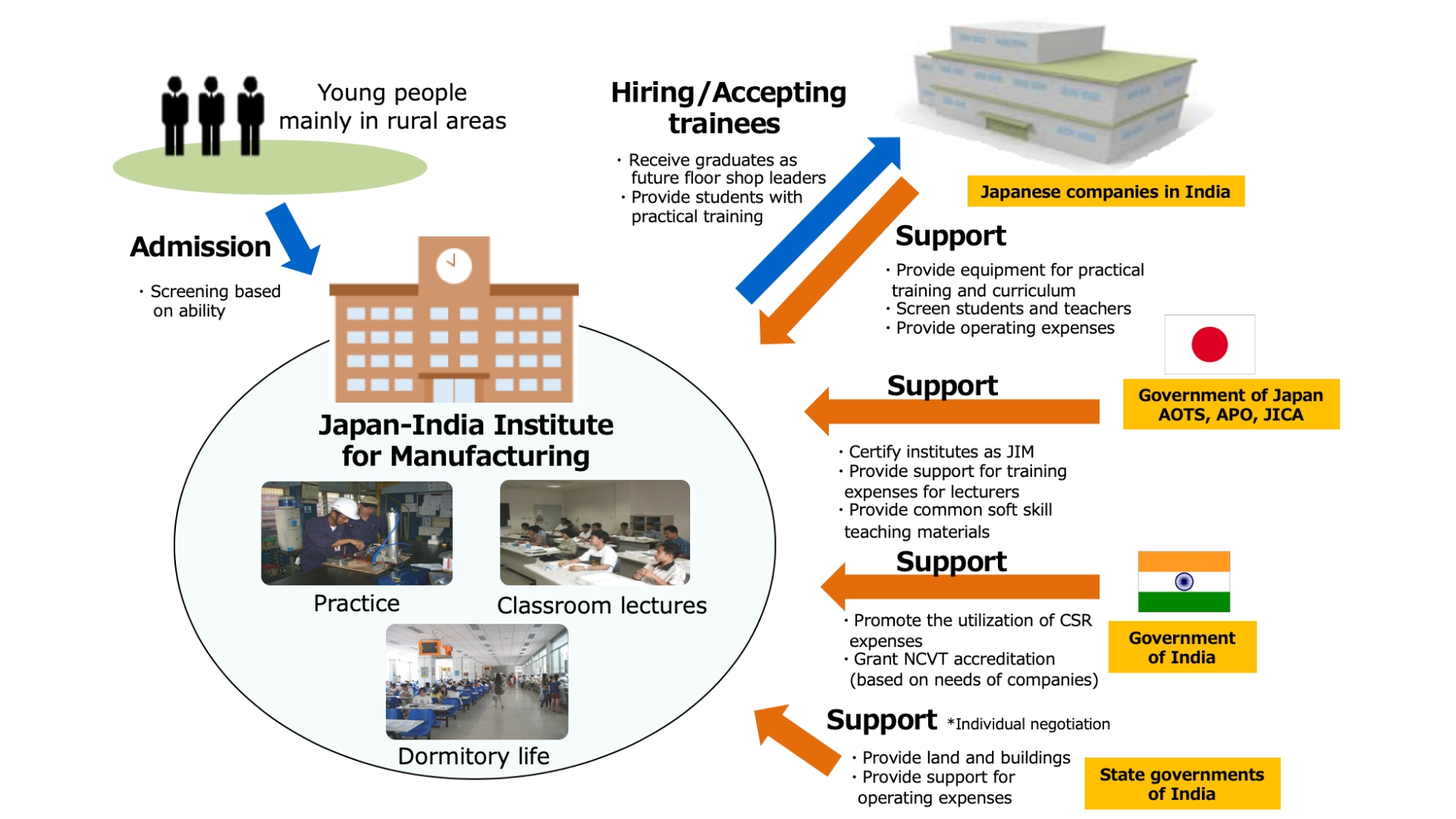
The aim JIM is to train future shop floor leaders in India to the Japanese standard level in key Japanese concepts such as KAIZEN, 5S and Japanese work principles and rules at a new institute operated by Japanese companies.
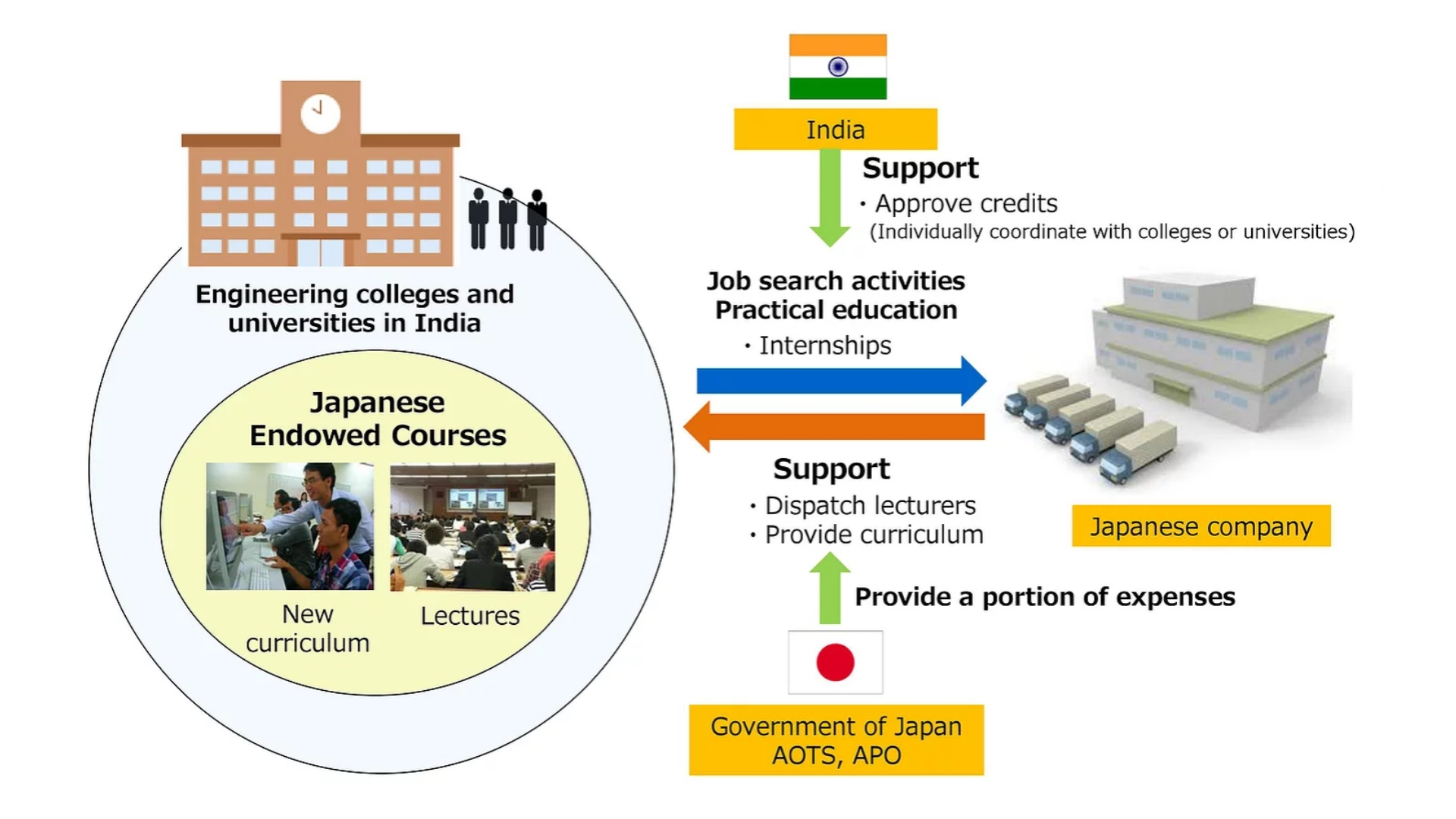
The aim of JEC is to train future middle management engineering candidates by providing specialized and practical education in engineering colleges as well as for IT sector in India.

Human Resource Development

Medium-to-long term human resource development produces human resources with a deep understanding of the company’s manufacturing and loyalty to the company.

Japanese government JIM accreditation will help attract the highest level of students.

Excellent students can be trained to become future shop floor supervisors at an early stage.

Society/Community Contribution

Participating companies are highly valued by the government of India as they contribute to the “Make in India” and “Skill India” initiatives proposed by Prime Minister Modi.

The program provides vocational training and employment opportunities for young people living near the factories, contributing to local communities.

A portion of JIM operating expenses fall under CSR expenses.

Major supports by METI

Provide accreditation to institutions as JIMs and inform other governments of their progress.

Provide common soft skill teaching materials for JIMs.

Provide support in dispatching lecturers. (the Asian Productivity Organization, the Association for Overseas Technical Cooperation and Sustainable Partnerships)

Japan-India Institute of Manufacturing

Overview, Curriculum and Terms


Overview: Japanese companies in India will make young Indian talent acquire the concepts and skills of Japanese manufacturing by using existing factories and facilities to develop future shop floor leaders.


Curriculum: Concepts and skills of Japanese manufacturing must be taught from the basic level to the practical level. Skills training must also be provided. Includes discipline, manufacturing spirit(Kaizen, 5S, etc.), practical skills, logical thinking and hands-on training in a factory.


Terms: A Japanese company is a company where over 50% of capital investment is provided by a company based in Japan, or a company where 50% of capital investment is provided by a company based in Japan and its president is Japanese.

Expectations from JIM & JEC

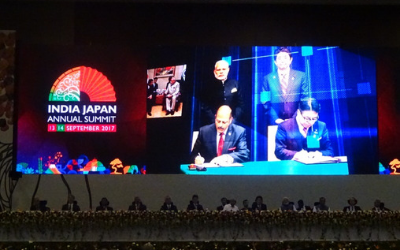
Speeches at the India Japan Business Plenary (September 2017)

...

Speech by Prime Minister Abe (Excerpt)

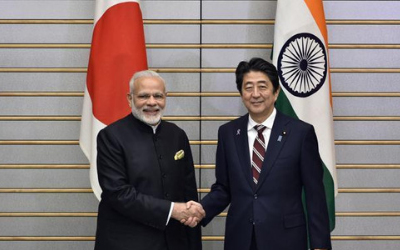
I would also like to contribute to Prime Minister Modi’s “Skill India.” Japanese companies eagerly desire to have leaders on the shop floor who are industry-ready. This summer, four institutes were started as Japan-India Institutes for Manufacturing by Suzuki, Toyota, Daikin and Yamaha Motor, and I am happy to hear that Hitachi Construction Machinery and Toyota Tsusho are also planning to start institutions. (...) I would like to say this to young people in India: Please come to Japan-India Institutes for Manufacturing.


...

Speech by Prime Minister Modi (Excerpt)

From the activities launched today, you can see the depth of the relationship between the two countries. (...) Human Resource Development through the Japan-India Institutes of Manufacturing developed by Japanese companies. In addition to Gujarat, they will be developed in Karnataka, Rajasthan and Tamil Nadu.


...

Statement by Prime Minister Modi

Japan-India summit meeting (October 2018) I appreciate that eight JIMs such as Suzuki, Toyota, Yamaha Motor, Daikin and Toyota Tsusho have been launched.


Japanese Endowed Courses (JEC)

Overview, Curriculum and Terms


Overview: Widely popularize Japanese companies by having them provide students who will potentially play central roles as managers or engineers in the future with practical specialized education


Curriculum: Educate specialized technologies possessed by Japanese companies through lectures and practical instruction


Terms: A Japanese company must be involved in operations. *A Japanese company is a company where over 50% of capital investment is provided by a company based in Japan, or a company where 50% of capital investment is provided by a company based in Japan and its president is Japanese.